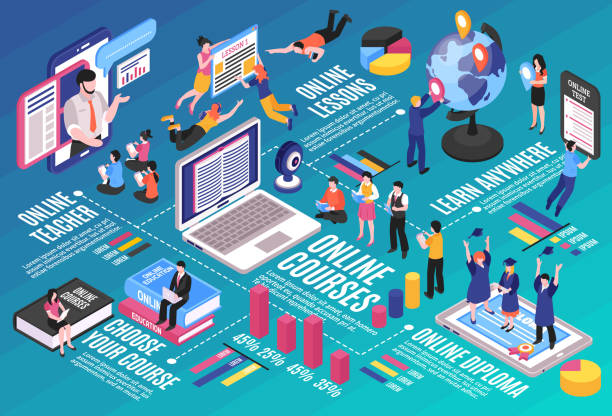






Why Online Learning Matters Today
Online learning has transformed education more than any other development in the last two decades. What once existed as a backup option for distance learners is now a primary mode of education for millions of students worldwide. Schools, universities, and training institutions increasingly rely on online learning to deliver flexible, accessible, and scalable education.
For students, online learning is not just about convenience. It is about access, opportunity, and control over how, when, and where learning happens. This guide is written to help students clearly understand online learning from the ground up, without confusion or marketing hype.
What Is Online Learning?
Online learning is a method of education where instruction, materials, communication, and assessment take place through the internet rather than in a physical classroom. Students use digital devices such as laptops, tablets, or smartphones to access lessons, assignments, and academic resources.
Online learning can be formal or informal. Formal online learning includes degree programs, certifications, and structured courses offered by schools and universities. Informal online learning includes short courses, tutorials, and skill-based programs offered by independent platforms.
What makes online learning unique is not just the delivery method, but the level of flexibility it provides to students. Learning is no longer tied to a specific place or schedule.
How Online Learning Works for Students
Most online learning experiences are delivered through a Learning Management System (LMS). An LMS is a digital platform where all course activities are organized in one place.
Students typically log into the platform to:
- Access video lectures and reading materials
- Submit assignments and projects
- Take quizzes and exams
- Participate in discussion forums
- Track progress and grades
Some courses are self-paced, allowing students to progress independently. Others are instructor-led, with fixed schedules, deadlines, and live sessions. Many programs combine both formats to provide structure and flexibility.
Types of Online Learning Formats
Online learning is not a single experience. It comes in multiple formats designed to suit different learning needs.
Self-Paced Online Learning
Students learn at their own speed. There are no fixed deadlines for lessons, making this format ideal for working students or those with irregular schedules.
Instructor-Led Online Learning
Classes follow a structured schedule with live lectures, deadlines, and instructor guidance. This format feels closer to traditional classroom learning.
Blended or Hybrid Learning
Blended learning combines online learning with in-person sessions. Students complete part of their coursework online and attend physical classes when required.
Who Online Learning Is Best For
Online learning is suitable for many types of students, but it works best for those who value flexibility and independence.
It is especially effective for:
- University and college students
- Working professionals
- Remote learners
- Adult learners returning to education
- Students preparing for competitive exams
Understanding whether online learning matches your learning style is essential before committing to a program.
Common Misunderstandings About Online Learning
Many students hesitate to adopt online learning due to misconceptions. One common belief is that online learning is easier than traditional education. In reality, it often requires more discipline and responsibility.
Another misunderstanding is that online learning lacks credibility. Today, many respected institutions and employers recognize online qualifications, especially when skills and performance are demonstrated clearly.
Online learning is a legitimate, structured, and powerful form of education. Understanding how it works and who it is designed for lays the foundation for success. In the next part, we will explore the real benefits and challenges students face when learning online.
Online Learning for Students: Benefits, Challenges, and How to Succeed
After understanding what online learning is and how it works, the next important step is to evaluate its real value for students. Online learning is neither perfect nor ineffective by default. Its success depends on how students use it, how courses are designed, and how challenges are managed.
This part focuses on three critical areas:
- The real benefits of online learning for students
- The most common challenges students face
- Practical strategies students can use to succeed
Benefits of Online Learning for Students
Online learning offers clear advantages that make it attractive to students across different educational levels. These benefits go beyond convenience and directly impact learning outcomes and personal growth.
Flexibility and Control Over Learning Time
One of the strongest benefits of online learning is flexibility. Students are no longer required to follow rigid classroom schedules. They can choose when to study based on their personal routines, peak focus hours, and other responsibilities.
This control allows students to balance education with part-time work, internships, or family commitments. Instead of missing classes, students can adjust learning around their lives.
Learning at a Personalized Pace
Online learning allows students to move through lessons at a pace that suits their understanding. Fast learners can progress quickly, while others can take more time to review difficult topics.
Recorded lectures and downloadable materials make revision easier. Students can revisit complex concepts without feeling pressure from peers or limited classroom time.
Access to Global Educational Resources
With online learning, students are no longer limited to local institutions. They can access courses from universities, educators, and experts across the world.
This global access exposes students to diverse perspectives, teaching styles, and subject expertise that may not be available locally.
Cost Efficiency for Students
Online learning is often more affordable than traditional education. Students save money on transportation, accommodation, printed materials, and campus-related expenses.
Many platforms also offer free courses or financial aid, making education accessible to students from different economic backgrounds.
Development of Career-Relevant Skills
Online learning naturally builds skills that are valuable in modern workplaces. Students develop self-discipline, time management, digital communication, and independent problem-solving abilities.
These skills are increasingly important as remote work and digital collaboration become common.
Challenges of Online Learning for Students
While online learning provides many benefits, it also presents challenges that students must recognize and address early.
Lack of Physical Classroom Interaction
One major challenge is reduced face-to-face interaction. Some students miss real-time engagement with teachers and classmates.
Online discussions and virtual meetings can feel less personal, especially for students who thrive on social learning environments.
Motivation and Self-Discipline Issues
Without physical classrooms and strict schedules, some students struggle to stay motivated. Procrastination can become a serious problem if students do not set clear routines.
Online learning requires students to take greater responsibility for their progress.
Technical and Internet Limitations
Reliable internet access and proper devices are essential for online learning. Technical issues such as slow connections or outdated hardware can interrupt learning and cause frustration.
Students must also be comfortable using digital platforms and tools.
Time Management Difficulties
Flexible schedules can sometimes work against students. Without planning, deadlines may be missed, and workload can pile up.
Effective time management is a skill that students must actively develop in online learning environments.
Mental Fatigue and Screen Overload
Extended screen time can cause eye strain, fatigue, and reduced concentration. Poor posture and lack of movement can also affect physical health.
Students must learn to manage screen time and take regular breaks.
How Students Can Succeed in Online Learning
Success in online learning is achievable when students adopt the right habits and strategies.
Creating a Structured Study Routine
Students should create a fixed daily or weekly study schedule. Consistent routines help reduce procrastination and improve focus.
Planning study sessions in advance makes it easier to meet deadlines without stress.
Setting Clear Academic Goals
Clear goals give direction to online learning. Students should set short-term and long-term objectives, such as completing modules on time or mastering specific skills.
Tracking progress toward these goals helps maintain motivation.
Designing a Productive Study Environment
A dedicated study space with minimal distractions improves concentration. Even a small, organized area can make online learning more effective.
Good lighting, comfortable seating, and proper posture also support longer study sessions.
Using Digital Tools Wisely
Online calendars, task managers, and note-taking apps help students stay organized. Learning management systems often include reminders and progress trackers that students should use actively.
Recording key points and organizing notes digitally makes revision easier.
Staying Engaged With Instructors and Peers
Active participation improves learning outcomes. Students should ask questions, join discussions, and attend live sessions when possible.
Building connections with instructors and peers reduces feelings of isolation and increases accountability.
Maintaining Physical and Mental Well-Being
Taking regular breaks, exercising, and maintaining healthy sleep patterns are essential. Balanced routines improve focus and reduce burnout.
Online learning is most effective when students take care of their overall well-being.
Online learning offers flexibility, accessibility, and valuable skill development, but it also requires discipline, planning, and active engagement. Students who understand both the benefits and challenges are better prepared to succeed.
Best Online Learning Platforms for Students
Online learning platforms act as the foundation of digital education. These platforms host courses, manage learning materials, track progress, and support communication between students and instructors. Choosing the right platform depends on a student’s academic goals, learning style, and budget.
Types of Online Learning Platforms
Online learning platforms generally fall into a few clear categories:
Academic platforms focus on school, college, and university-level education. These platforms often partner with educational institutions and follow structured curricula.
Skill-based platforms concentrate on practical skills such as programming, design, marketing, writing, and business. They are popular among students preparing for careers or freelancing.
Open learning platforms provide free or low-cost education. These are ideal for beginners, self-learners, and students exploring new subjects.
Understanding the platform type helps students select courses that align with their long-term goals.
Popular Online Learning Platforms Explained
Some widely used online learning platforms include Coursera, edX, Udemy, Khan Academy, and FutureLearn. Each platform serves students differently.
Coursera and edX partner with universities and institutions to offer structured courses, certificates, and degree programs. These platforms are suitable for students seeking formal learning experiences.
Udemy focuses on practical and career-oriented skills. Courses are usually self-paced, making it ideal for students who want flexibility.
Khan Academy offers free educational resources for school and early college students. It is widely used for foundational learning and exam preparation.
When selecting a platform, students should review instructor background, course structure, student reviews, and learning outcomes.
Online Learning vs Traditional Classroom Learning
A common question among students is whether online learning is better than traditional classroom education. The answer depends on personal learning preferences, academic goals, and lifestyle needs.
Structure and Learning Environment
Traditional classrooms follow fixed schedules and physical attendance. Students learn through face-to-face lectures, in-person discussions, and direct supervision.
Online learning offers flexible schedules and remote access. Students study through recorded lessons, live virtual classes, and digital materials. This format suits learners who prefer independence and control over their study time.
Cost and Accessibility
Online learning is often more affordable. Students save on transportation, accommodation, and campus-related expenses. Many platforms also offer free or low-cost options.
Traditional education can be expensive, especially when relocation or housing is required. However, some students value the campus experience and physical learning environment.
Interaction and Engagement
Classroom learning allows direct interaction with teachers and peers. Online learning relies on discussion forums, live sessions, and messaging tools.
While online interaction may feel limited at first, active participation can create meaningful learning communities.
Choosing the Right Option
Neither option is universally better. Many students succeed by combining online learning with traditional education through blended or hybrid learning models.
Is Online Learning Effective for Students?
Online learning is effective when courses are well-designed and students stay engaged. Research and experience show that learning outcomes depend more on effort and structure than on delivery format.
Factors That Influence Effectiveness
Course quality plays a major role. Clear lessons, practical assignments, and feedback improve understanding.
Student engagement is equally important. Learners who actively participate, complete assignments, and review materials perform better.
Support systems such as instructor communication and peer discussion also improve success rates.
When Online Learning Works Best
Online learning works best for students who:
- Set clear learning goals
- Manage time effectively
- Stay consistent with study routines
- Use available resources actively
Students who treat online learning seriously often achieve results equal to or better than classroom learners.
Future of Online Learning in Education
Online learning is no longer a temporary solution. It is becoming a permanent and essential part of global education systems.
Emerging Technology Trends
Artificial intelligence is improving personalized learning experiences. Adaptive systems adjust lessons based on student performance.
Virtual classrooms, interactive simulations, and real-time feedback tools are making online learning more engaging.
Mobile learning continues to grow, allowing students to study anytime using smartphones and tablets.
Online Learning and Career Development
Employers increasingly value skills over traditional degrees alone. Online learning helps students gain relevant, job-ready skills.
Students can update skills regularly as industries evolve. This makes online learning essential for lifelong education and career growth.
Online Learning and Student Career Opportunities
Online learning supports students beyond academics. It helps build practical skills, certifications, and professional confidence.
Skill-Based Learning for Jobs
Many students use online learning to prepare for careers in technology, business, design, and communication. These skills improve employability.
Certifications and Credibility
Certificates from reputable platforms demonstrate commitment to learning. When combined with practical skills, they strengthen resumes.
Freelancing and Remote Work
Online learning enables students to enter freelancing and remote work opportunities. Skills gained through digital courses support independent careers.
Common Misconceptions About Online Learning
Despite its growth, online learning still faces misconceptions.
Online learning is easy: In reality, it requires discipline, consistency, and effort.
Online certificates have no value: Many employers recognize skills gained through online education.
Students learn less online: Learning outcomes depend on engagement, not format.
Understanding these facts helps students make informed decisions.
Frequently Asked Questions
What is online learning?
Online learning is a form of education where students study through the internet using digital platforms instead of attending physical classrooms.
Is online learning effective for students?
Yes, online learning can be effective when students stay disciplined, use quality platforms, and actively engage with lessons and instructors.
What are the main benefits of online learning?
Online learning offers flexibility, affordability, access to global courses, and the ability to learn at a personalized pace.
What challenges do students face in online learning?
Common challenges include lack of motivation, limited social interaction, technical issues, and time management difficulties.
Can online learning replace traditional classroom education?
Online learning can complement traditional education, but the best option depends on the student’s learning style, goals, and needs.
Are online learning certificates accepted by employers?
Many employers accept online learning certificates, especially when they come from reputable platforms and demonstrate real skills.
Who should choose online learning?
Online learning is ideal for students who want flexibility, self-paced study, and access to diverse learning opportunities.
Final Conclusion: Online Learning for Students
Online learning has become a powerful and reliable educational path for students worldwide. It offers flexibility, accessibility, and opportunities that traditional systems alone cannot provide.
When students choose quality platforms, stay disciplined, and engage actively, online learning becomes highly effective. It supports academic success, skill development, and career readiness.
As education continues to evolve, online learning will remain a central pillar of student growth and lifelong learning.