




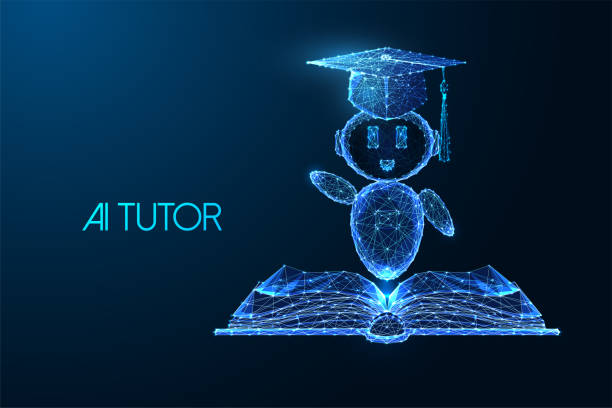
Technology is rapidly transforming the education sector. Universities around the world are adopting digital tools to improve teaching methods and help students learn more effectively. One of the most important innovations in this transformation is the use of AI tutors in higher education.
Artificial intelligence in education is no longer an experimental idea. Today, universities are using smart tutoring systems, adaptive learning technology, and automated feedback systems to support students during their academic journey. These AI-powered learning tools can analyze student performance, recommend study materials, and provide instant explanations for difficult concepts.
The growth of online learning and digital education has also increased the demand for flexible learning support. Students often need help outside classroom hours, and traditional tutoring systems cannot always meet this demand. AI tutors help fill this gap by offering personalized academic assistance anytime and anywhere.
This article explores how AI tutors in higher education work, their benefits for students and universities, the challenges they present, and how they may shape the future of smart online education.
What Are AI Tutors in Higher Education?
AI tutors are digital systems that use artificial intelligence to assist students with learning. These systems are designed to mimic some of the functions of human tutors by providing explanations, answering questions, and guiding students through complex topics.
In higher education, AI tutors are often integrated into learning management systems (LMS) or digital learning platforms. They use machine learning algorithms and student progress analytics to understand how students interact with learning materials. Based on this data, the system can adapt lessons and recommend additional resources.
Unlike traditional tutoring, AI tutoring systems can support thousands of students at the same time. This makes them especially useful for universities with large student populations.
Many modern AI tutoring systems include features such as:
- Personalized learning paths
- Intelligent tutoring systems that explain concepts step by step
- Automated grading systems for quizzes and assignments
- Virtual learning assistants that answer student questions
These tools are becoming an important part of digital transformation in universities and the broader movement toward technology modernization in higher education.
How AI Tutors Work in Universities
AI tutors rely on advanced algorithms and data analysis to support student learning. Universities implement these systems through digital platforms that track student activity and learning progress.
Data Analysis and Student Performance Tracking
One of the most powerful features of AI tutors is their ability to analyze student performance. These systems monitor how students interact with course materials, how long they spend on lessons, and how well they perform on quizzes.
Using student progress analytics, AI tutors can identify areas where students struggle. The system can then recommend additional resources or practice exercises to help improve understanding.
This type of analysis allows universities to detect learning difficulties early and provide support before students fall behind.
Personalized Learning Paths
Traditional classrooms often follow a fixed learning pace. However, students learn at different speeds and may need different levels of explanation.
AI tutors use adaptive learning technology to create personalized learning paths. The system adjusts lessons based on the student’s progress, strengths, and weaknesses.
For example, if a student struggles with a particular concept, the AI tutor may provide extra examples, additional practice questions, or simpler explanations.
This personalized approach helps students build confidence and improves overall learning outcomes.
Automated Feedback and Assessment
Another key function of AI tutors is automated feedback. Many universities use automated grading systems that evaluate quizzes, assignments, and practice tests instantly.
Instead of waiting days for feedback, students can immediately see their results and understand their mistakes. Some AI systems also provide detailed explanations for incorrect answers.
This quick feedback loop encourages continuous improvement and helps students stay engaged with their studies.
Benefits of AI Tutors in Higher Education
AI tutors provide several advantages for students, instructors, and universities. As technology continues to improve, these benefits are becoming more significant.
Personalized Learning Experience
AI tutors create learning experiences tailored to individual students. By analyzing performance data, the system adapts lessons to match the learner’s pace and skill level.
This personalized learning environment helps students understand difficult topics more effectively.
24/7 Academic Support
Unlike traditional tutors, AI tutors are available at any time. Students can access help during late-night study sessions or review materials whenever they need assistance.
This flexibility is particularly valuable for students enrolled in online learning programs.
Improved Student Engagement
Interactive digital tools often make learning more engaging. AI-powered platforms can present lessons through quizzes, interactive simulations, and step-by-step explanations.
These features keep students actively involved in the learning process.
Data-Driven Education
Universities can use AI systems to collect valuable insights about student performance. This data helps instructors understand which topics students find challenging and which teaching methods work best.
By analyzing these trends, institutions can continuously improve course design.
Reduced Instructor Workload
AI tutors can automate repetitive tasks such as grading assignments or answering common student questions. This allows instructors to focus on more meaningful activities such as mentoring students and improving course materials.
Challenges of AI Tutors in Higher Education
Despite their advantages, AI tutors also present several challenges that universities must address.
Data Privacy and Security
AI tutoring systems rely heavily on student data to function effectively. Universities must ensure that this data is stored securely and used responsibly.
Protecting student privacy is essential for maintaining trust in digital education systems.
Limited Human Interaction
While AI tutors can provide academic assistance, they cannot fully replace human teachers. Students often benefit from personal interaction, emotional support, and real-world insights that only human instructors can provide.
For this reason, AI tutors should complement teachers rather than replace them.
Implementation Costs
Developing and maintaining AI-powered education platforms can require significant investment. Universities must invest in technology infrastructure, software systems, and faculty training.
Smaller institutions may face financial barriers when adopting these advanced systems.
Technical Limitations
Although artificial intelligence has advanced rapidly, AI tutors are still evolving. Some systems may struggle with complex questions or nuanced academic discussions.
Continuous development and improvement are necessary to ensure reliable performance.
Examples of AI Tutors Used in Universities
Many universities are already experimenting with AI-based tutoring systems. These tools take different forms depending on the educational platform.
Some institutions use AI chatbots that act as virtual learning assistants. These chatbots answer common student questions about course materials, deadlines, and assignments.
Other universities integrate intelligent tutoring systems into their LMS platforms. These systems guide students through exercises and provide step-by-step explanations for complex problems.
Adaptive learning platforms are also becoming popular. These platforms analyze student progress and automatically adjust the difficulty of lessons.
Together, these technologies are helping universities create more efficient and flexible learning environments.
Future of AI Tutors in Higher Education
The role of artificial intelligence in universities is expected to grow significantly in the coming years. As technology improves, AI tutors will become more advanced and capable of providing deeper academic support.
Future systems may include:
- AI-powered virtual classrooms that adapt lessons in real time
- Predictive analytics that identify students at risk of failing courses
- Intelligent study assistants that guide students through entire academic programs
- Integration with smart campus technology and digital learning platforms
These developments will play a major role in the technology modernization in higher education and the ongoing digital transformation of universities.
AI tutors will likely become an essential part of modern education systems, helping institutions deliver scalable and personalized learning experiences.
How Universities Can Successfully Implement AI Tutors
For AI tutoring systems to succeed, universities must implement them carefully and strategically.
First, institutions should provide training for faculty members so that instructors understand how to integrate AI tools into their teaching methods.
Second, universities must invest in reliable digital infrastructure. High-quality internet access, secure servers, and stable learning platforms are essential for AI-powered systems.
Third, institutions should establish clear ethical guidelines for the use of artificial intelligence in education. These policies should address issues such as data privacy, fairness, and transparency.
Finally, AI tutors should be integrated with existing learning management systems so that students can access all learning resources in one place.
When implemented correctly, AI tutors can significantly enhance the learning experience.
Conclusion
Artificial intelligence is transforming higher education in many ways, and AI tutors are one of the most promising innovations. These systems offer personalized learning support, instant feedback, and continuous academic assistance for students.
Although challenges such as data privacy and implementation costs still exist, the benefits of AI tutoring systems are becoming increasingly clear. Universities that adopt these technologies can improve student engagement, streamline academic processes, and provide more flexible learning opportunities.
As digital transformation continues, AI tutors will likely become a central part of smart online education. By combining artificial intelligence with effective teaching strategies, universities can create more accessible and efficient learning environments for future generations.
Frequently Asked Questions
What are AI tutors in higher education?
AI tutors are artificial intelligence systems designed to help students learn by providing explanations, answering questions, and analyzing student performance.
How do AI tutors help students learn better?
AI tutors provide personalized learning paths, instant feedback, and adaptive lessons that match a student’s learning pace.
Can AI tutors replace university teachers?
No. AI tutors support teachers by automating tasks and providing additional learning assistance, but human instructors remain essential for guidance and mentorship.
Are AI tutors reliable for academic learning?
Many modern AI tutoring systems are highly accurate and useful for explaining concepts, but they should be used alongside traditional teaching methods.
What is the future of AI in higher education?
Artificial intelligence will likely become a major part of digital education, supporting smart online learning environments and personalized academic support systems.